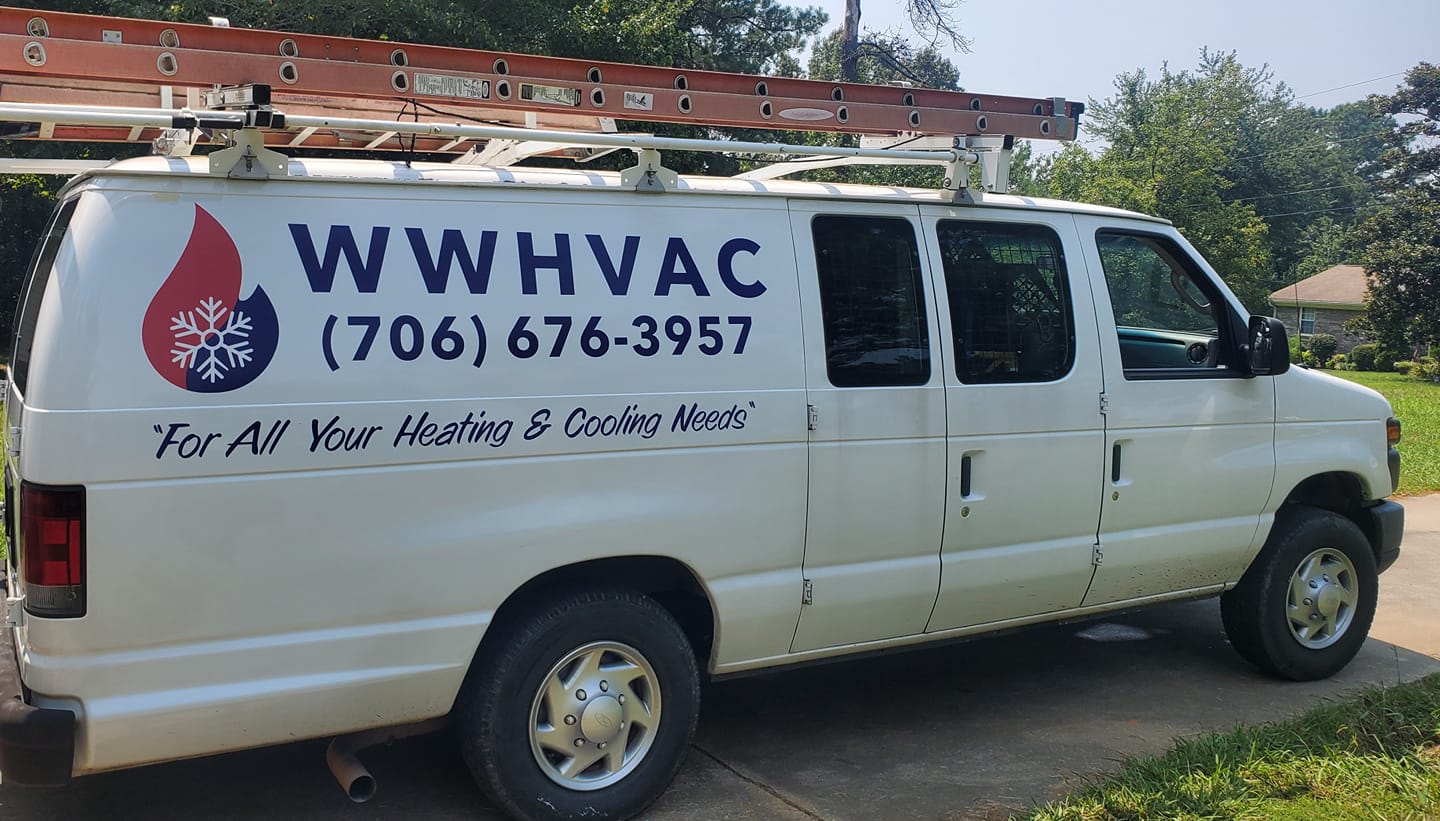
How to Improve HVAC Performance in Extreme Weather Conditions Jan 29, 2026
The first step in optimizing your HVAC performance is understanding the impact of extreme weather on your system. When temperatures rise or fall dramatically, HVAC units must work harder to maintain a stable indoor climate. This constant strain can lead to reduced efficiency and increased energy bills. Thankfully, there are proactive measures you can take to mitigate these effects.
Regular HVAC maintenance is the cornerstone of reliable performance. Scheduling bi-annual check-ups, preferably before summer and winter, with a professional HVAC service like WWHVAC, ensures that any potential issues are identified and resolved early. During these check-ups, technicians can clean coils, replace or clean filters, check refrigerant levels, and ensure all components are functioning optimally. Regular maintenance not only extends the lifespan of your system but also enhances its performance during extreme weather conditions.
Improving your home’s insulation is another effective way to boost HVAC efficiency. Proper insulation helps keep cool air in during summer and prevents heat loss during winter, reducing the workload on your unit. Check for drafts around windows, doors, and in the attic. Sealing these areas prevents energy loss and decreases your system’s energy consumption.
Another smart step is to invest in a programmable thermostat. These devices allow you to preset temperatures based on daily and seasonal schedules, ensuring more consistent indoor climates while reducing energy use during peak periods. For example, programming your thermostat to lower energy use during the hours you’re away from home can lead to significant savings over time. Smart thermostats can be integrated with your HVAC system and offer the added benefit of remote management, allowing for adjustments even when you’re not home.
Installing ceiling fans can also support your HVAC system’s efficiency. By circulating air, fans help maintain even temperatures throughout your home. In summer, they can complement your air conditioning by providing a wind-chill effect, while in winter, reversing the fan’s direction can help push warm air down into the living spaces, making your heating efforts more effective.
Lastly, don’t overlook the importance of a clean and unobstructed airflow. Ensure that vents and registers are not blocked by furniture or curtains, allowing for free circulation of air. Regular vacuuming of vents can also prevent dust buildup which can impede airflow and put additional strain on your system.
In conclusion, maintaining HVAC performance in extreme weather requires a comprehensive approach that combines regular maintenance, insulation improvements, the use of smart technology, and ensuring proper airflow. By adopting these strategies, you can rely on your system to operate efficiently, providing comfort to your home regardless of what Mother Nature throws your way. Contact WWHVAC today to learn more about keeping your HVAC system at its peak performance all year round.
/filters:no_upscale()/filters:format(webp)/media/b6fea05b-34e3-4ad1-a9d4-1be15e68c8c1.jpg)
/filters:no_upscale()/filters:format(webp)/media/2824f9ec-5a08-4210-ae0c-c67603983dac.jpeg)